
Introduction
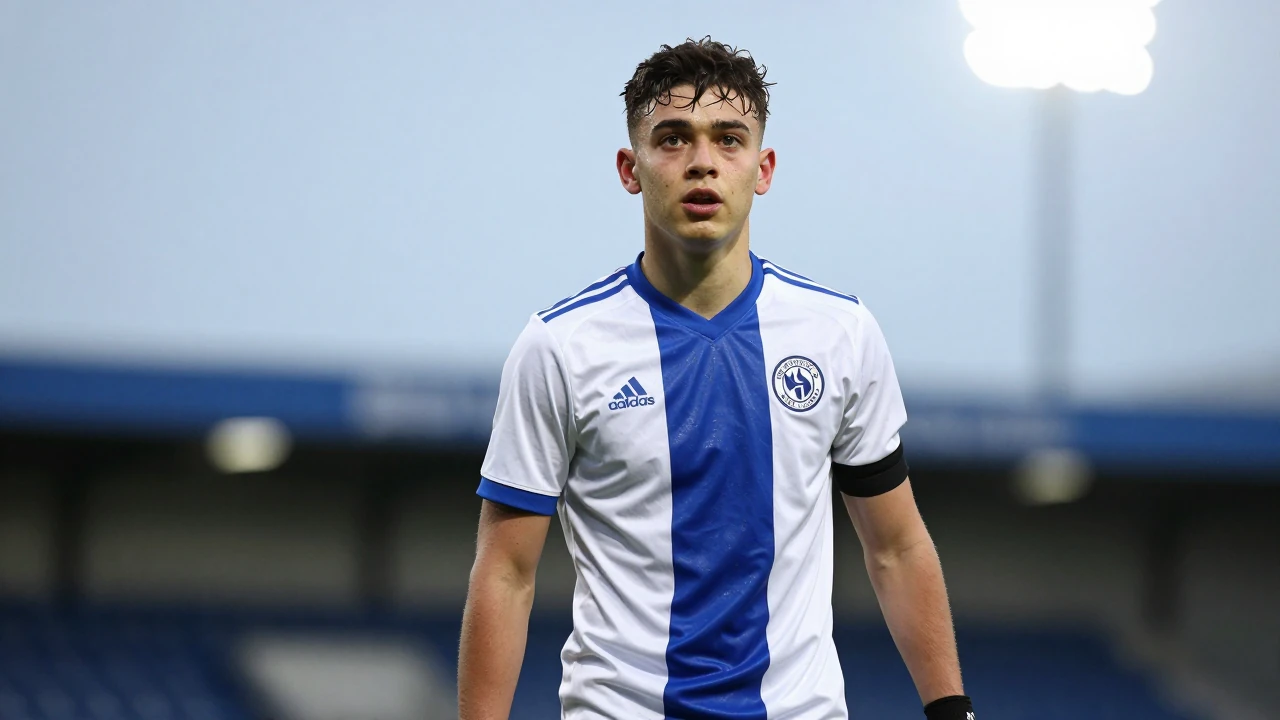
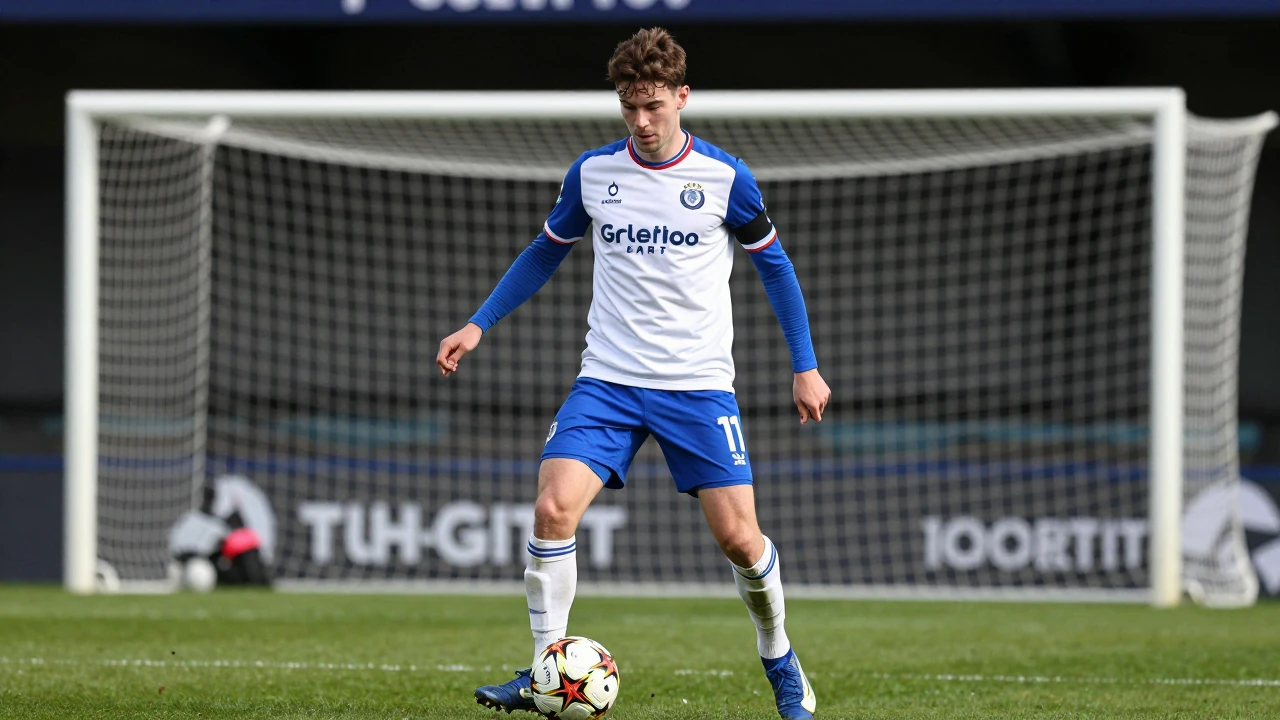
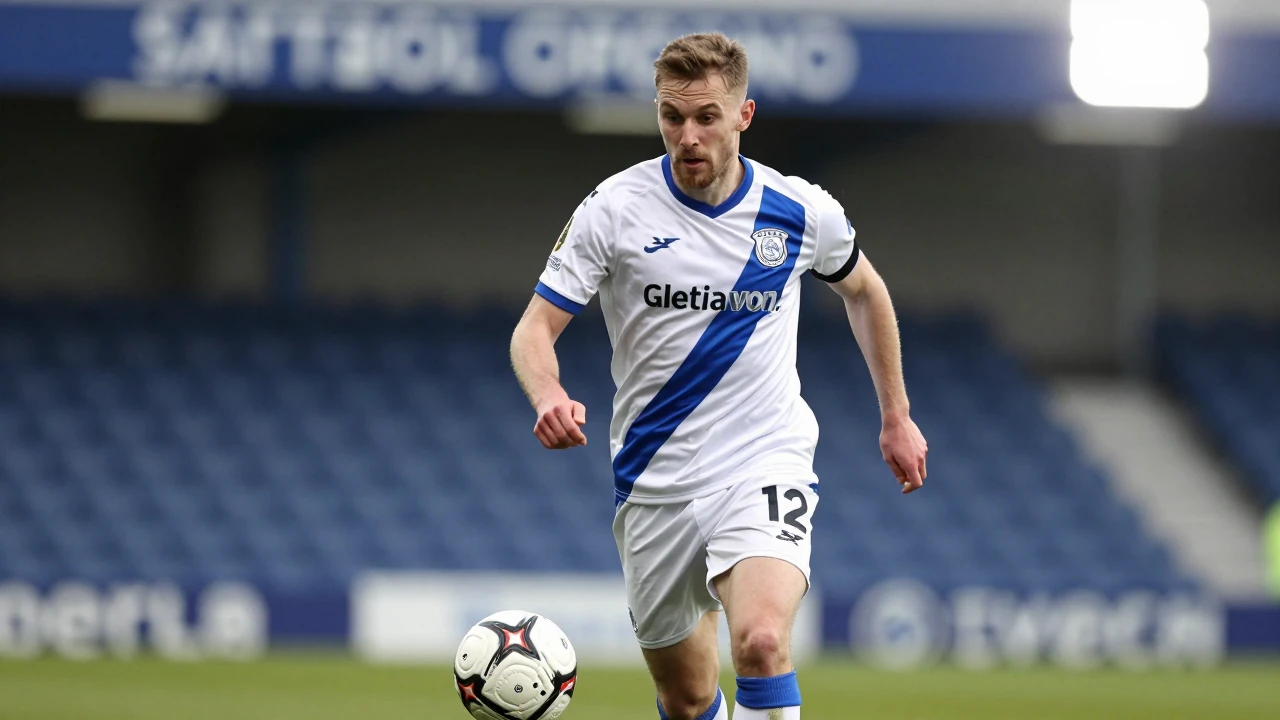
Glenavon FC, affectionately known as The Lurgan Blues, has faced a mixed bag of results as they tackle the challenges of the Northern Ireland Premiership. While the team's spirit remains unyielding, tactical refinements could be the key to transforming potential into performance. In this article, we will explore the recent form of Glenavon, pinpoint tactical aspects that require attention, and suggest tweaks to help the team regain momentum.
Recent Form Analysis
As the season unfolds, Glenavon's recent matches have highlighted both strengths and vulnerabilities. The attacking prowess often shines through with flashes of brilliance; however, inconsistency in the final third has hindered their ability to convert chances into goals. On the defensive side, while the backline exhibits resilience, lapses in concentration have led to critical errors.
One noticeable trend has been the reliance on individual brilliance rather than cohesive team play. With players like P. Campbell and M. Harkin showcasing their talents, it’s essential for Glenavon to harness this creativity within a more structured tactical framework.
Defensive Structures
In recent games, Glenavon has employed a 4-2-3-1 formation, which can be effective but often leaves the team exposed during transitions. Opponents have exploited spaces between the midfield and defensive lines, leading to counter-attacks that have resulted in unnecessary goals conceded. A potential tweak could involve shifting to a more compact 4-4-2 when defending, which would provide additional cover in midfield and help maintain shape.
Moreover, the full-backs need to be more disciplined in their positioning, ensuring they don't venture too far forward, which can leave the team vulnerable on the flanks. Encouraging a more conservative approach from the wide defenders, especially against teams with quick wingers, could alleviate some pressure on the centre-backs.
Midfield Dynamics
The midfield has shown flashes of quality, but the balance between defensive duties and attacking support needs addressing. Glenavon’s setup often sees the midfielders pushed high, which can lead to a disconnect with the defensive line. Introducing a more dynamic player in the central midfield role, capable of recycling possession and linking play, would not only help in maintaining control but also in transitioning the ball effectively from defence to attack.
A suggestion would be to utilize a double pivot formation in the midfield, allowing for one player to occupy a more advanced role while the other remains deeper to protect the backline. This can help in maintaining possession while also providing stability during defensive transitions.
Attacking Adjustments
In terms of attack, Glenavon has shown potential but often lacks the cohesion needed to penetrate organized defences. A more fluid attacking style, with players interchanging positions and creating overloads on the wings, could be beneficial. Incorporating a more direct approach, especially in the final third, will keep defenders on their toes and create more goal-scoring opportunities.
Utilizing quick, intelligent runs from both wingers and the striker to exploit spaces behind the defence can shift the momentum in Glenavon’s favour. Encouraging more frequent overlaps from the full-backs could also provide additional width, stretching opponents and creating gaps for attacking players to exploit.
Conclusion
As Glenavon FC looks to solidify its position in the league, tactical adjustments could prove crucial. By refining defensive structures, enhancing midfield dynamics, and adopting a more cohesive attacking strategy, The Lurgan Blues can not only improve their results but also play a more attractive brand of football. With a bit of fine-tuning, Glenavon has the potential to elevate their performance and make a strong push for the remainder of the season.