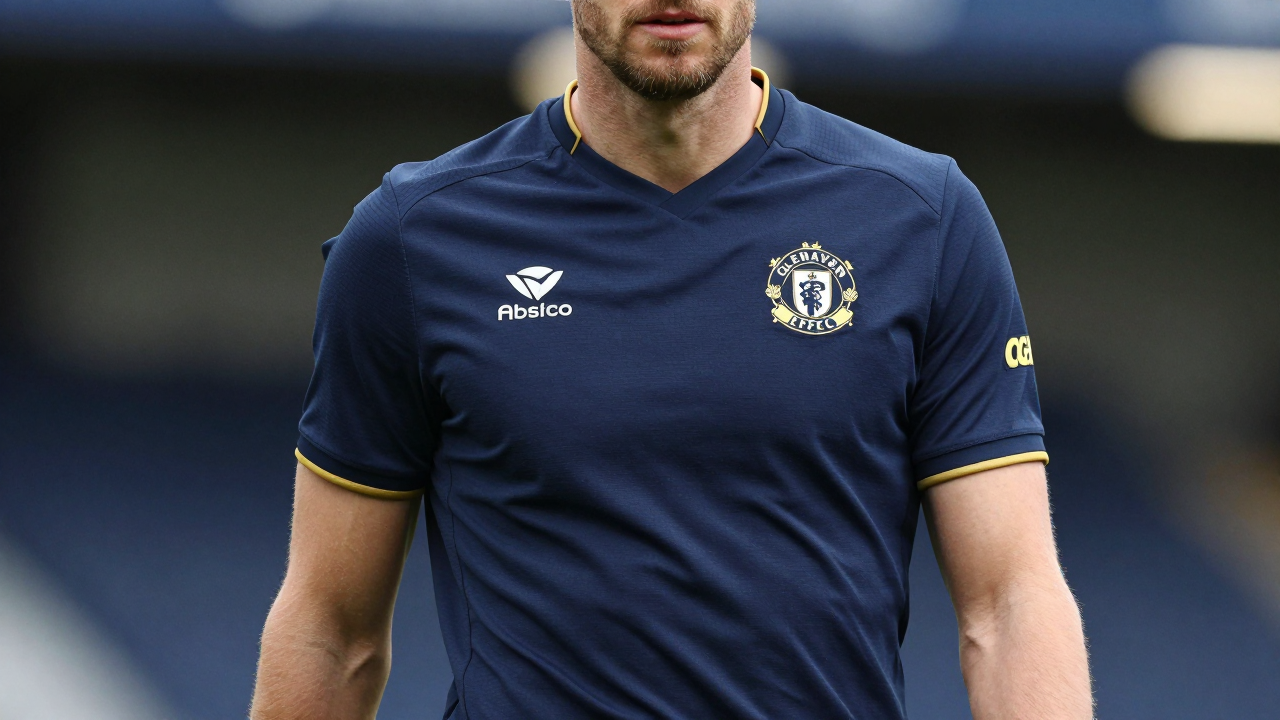
Glenavon FC, known as the Lurgan Blues, has experienced a mixed bag of results in the Northern Ireland Premiership this season. Fans have witnessed flashes of brilliance interspersed with frustrating inconsistencies, prompting a closer look at the tactical framework employed by manager Gary Hamilton. In this article, we delve into Glenavon’s current tactical setup, its strengths and weaknesses, and propose some strategic tweaks that could elevate their performances in the coming weeks.
Current Tactical Setup
Glenavon's recent matches have showcased a 4-2-3-1 formation, which allows for a solid defensive base while enabling fluid attacking movements through the midfield. The double pivot in midfield has provided a degree of stability, but there have been noticeable gaps that opponents have exploited, particularly against teams that press high. The reliance on wing play has also drawn attention; while wingers like N. Ferris have shown promise, the over-reliance on delivering crosses has made Glenavon predictable at times.
Strengths
One of the standout aspects of Glenavon's current system is the versatility of its forwards. With players like P. Campbell and J. Kee able to interchange positions, there is potential to confuse and stretch opposition defenses. The defensive partnership of M. Byrne and his fellow centre-back has generally been solid, often snuffing out threats before they materialize. However, this can sometimes lead to a lack of dynamism in moving the ball out from the back.
Areas for Improvement
Despite the strengths, the Lurgan Blues have struggled with transitions, especially when losing possession. Opponents often capitalize on Glenavon’s slow recovery, leading to counter-attacking opportunities. Moreover, the midfield's dual role of defensive shielding and playmaking can become cumbersome, leading to a disconnect between defense and attack.
Suggested Tactical Tweaks
1. Adjusting the Midfield Structure: Moving to a 4-3-3 formation could provide additional support in the midfield while allowing for greater width. This tweak would enable Glenavon to maintain numerical superiority in the centre, thereby improving ball retention and creating more avenues for forward play.
2. Incorporating a False Nine: Introducing a false nine could confuse opposition defenders and create spaces for onrushing midfielders. This would allow P. Campbell or J. Kee to drop into deeper positions, drawing defenders out of their comfort zones and allowing wingers to exploit the space left behind.
3. Emphasizing Quick Transitions: Training sessions should focus on rapid transitions from defense to attack. Encouraging players to make quick decisions and utilize one-touch passing can alleviate pressure when defending and create swift counter-attacking opportunities.
4. Utilizing Full-Backs in Attack: The full-backs should be encouraged to overlap and contribute to attacking plays more frequently. This would stretch opposing defenses wider and create more crossing opportunities, particularly useful when faced with compact defensive setups.
5. Adapting to Game Situations: Flexibility in tactical approach is vital. Depending on the opponent, Glenavon could implement a more defensive stance against stronger teams while adopting a more attacking mindset against teams lower in the league.
Conclusion
In the ever-competitive Northern Ireland Premiership, tactical adaptability is key to achieving consistent results. By tweaking their formation, enhancing midfield dynamics, and harnessing the strengths of their squad, Glenavon FC can not only improve their performance but also reignite their campaign ambitions this season. As supporters of the Lurgan Blues, we remain hopeful that these adjustments could lead to a run of positive results, bringing the club closer to its goal of success.