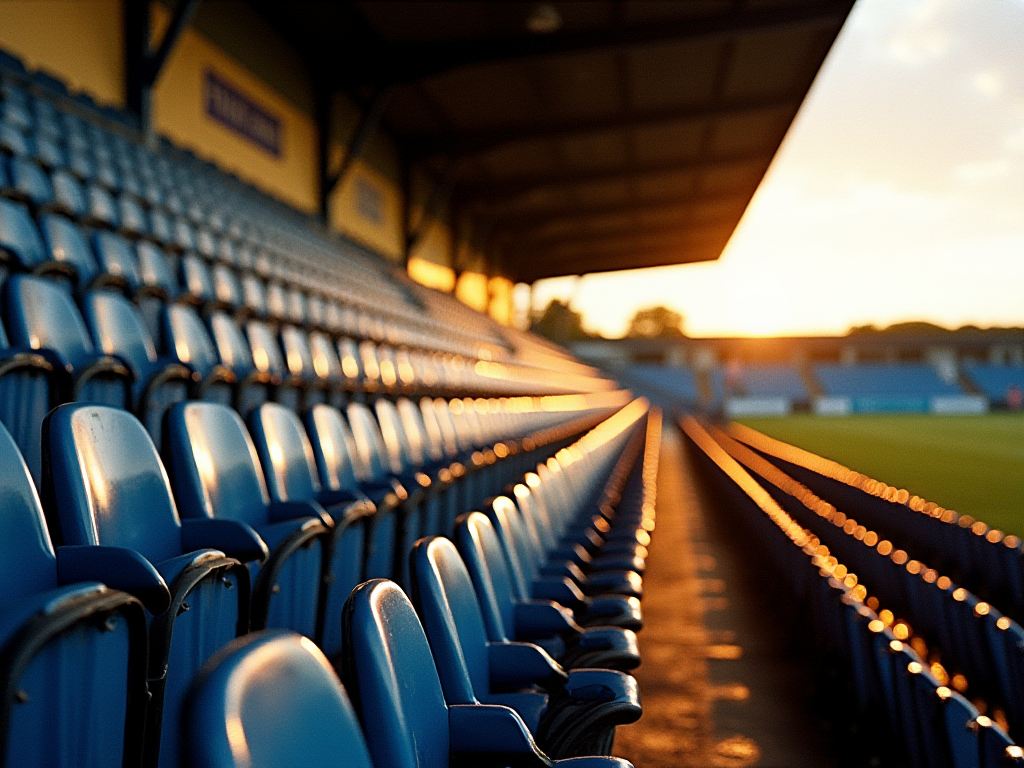
As the Mourneview faithful, we know the heart and fight within The Lurgan Blues. We've seen periods of thrilling football that leaves us buzzing, but lately, a nagging inconsistency has crept into our performances. While individual efforts remain commendable, it's time for a deeper look at the collective tactical approach to iron out the creases and get us firing on all cylinders in the SportsDirect Premiership.
From the terraces, a few patterns have emerged. Defensively, we’ve shown resilience, but there are moments where our structure appears vulnerable, particularly when opposition teams transition quickly. Our full-backs, crucial to our attacking thrust, can sometimes find themselves caught high up the pitch, leaving the channels exposed. This often puts immense pressure on our centre-halves, forcing them into one-on-one situations or scrambling recoveries. The screen provided by our midfield isn't always as robust as it could be, occasionally allowing opponents too much space between the lines.
In the engine room, the battle for control often feels like a pendulum swing. While our midfielders work tirelessly, we sometimes struggle to dictate the tempo or consistently win the crucial second balls. This can lead to hurried clearances or a reliance on long passes, bypassing our midfield entirely. When we do get possession, the speed of our ball progression through the middle could be quicker, turning defensive phases into attacking opportunities with more urgency and precision. Creativity from central areas, the kind that unlocks stubborn defences, has also been intermittent.
Up top, our attacking play, while capable of moments of magic, has lacked consistent cutting edge. There have been instances where our front players seem a little isolated, waiting for service rather than actively creating space and opportunities for each other. Movement off the ball, quick one-twos, and incisive runs into the box haven't always been as prevalent as we know they can be. This often means individual brilliance is required to conjure a chance, rather than a well-drilled collective attacking pattern.
So, what tweaks could the gaffer explore? Firstly, a re-evaluation of our pressing scheme. Instead of an all-out high press that can be bypassed, a more targeted, staggered press, perhaps triggering only in specific zones or on particular cues, could conserve energy and create more effective turnovers. This would also ensure our defensive shape remains more compact when the press is broken.
Secondly, a tactical adjustment in midfield could provide greater stability and creativity. Considering a dedicated holding midfielder, someone whose primary role is to break up play, shield the back four, and initiate attacks with simple, accurate passes, might free up our more box-to-box players to drive forward. This could involve a subtle shift to a 4-3-3, providing that extra body in the middle of the park, or refining roles within our current setup to define defensive and offensive responsibilities more sharply.
Finally, in the final third, encouraging more positional fluidity and rotation amongst our attacking players would be beneficial. Instead of fixed positions, allowing wingers to drift inside, and central strikers to drop deep or run wide, could create confusion for opposition defenders and open up new avenues for goal-scoring opportunities. Emphasising quicker transitions from defence to attack, with players bursting forward in support, would also add a much-needed directness and unpredictability to our play. The lads certainly have the talent; it’s about refining the blueprint to unleash it consistently. The belief in this team at Mourneview Park remains unwavering, and with a few strategic adjustments, we can definitely push higher up the table.